Nobody Knows Their Name: Why the Sharpest Mic Moments This Year Came From People Without a Press Strategy
I want to be fair to famous people for a second, because I think we're blaming the wrong party.
Most celebrities are not boring. Most of them are perfectly interesting. The problem is what shows up in the chair with them — a press schedule, a publicist on the other end of a phone, a film or a tour or a brand deal that all the answers have to gently orbit, and a talking-points memo that has already been rehearsed on the morning shows before the podcast even loads.
By the time they sit down with a smaller show, they've told the same story four times that week. Maybe eight. And a story told eight times stops being a story and becomes a product.
The Press Tour Problem
There's a specific sound to a press-tour answer. It's smooth, it's timed, it has a beginning and a little button at the end. It lands perfectly and leaves no residue. And it takes roughly two of those answers for a listener to start hearing the machinery underneath.
That's not a knock on the guest. It's just what happens when a real human gets turned into a marketing channel for six weeks. The person is in there — I promise they are — but they're on the clock. Every sentence is being audited in real time by someone who has to answer for it later.
Listeners aren't stupid about this. They can tell when a room has extra people in it who aren't on the mic.
What Happens When Nobody's Coaching You
The best conversation I heard this year came from a woman who runs a barbershop in Ohio and had never been on a podcast in her life. She didn't know where to look, she asked how much time they had, she apologized for rambling twice. Somewhere in the middle of it she explained why she kept a chair open on Sundays for her late father, and it was the most affecting ninety seconds of audio I've come across in twelve months.
Nobody wrote that for her. Nobody had to. There was no press strategy because there was nothing to promote but her life.
That's the effect I'm talking about. When a guest has no talking points, they have to actually think about the question. When they haven't done four other shows that morning, the answer is the first time it's been said out loud. You can hear a person working something out in real time, and it's the closest thing audio has to watching someone figure out their own story mid-sentence.
The Real Advantage Is Stakes, Not Authenticity
"Authentic" has become a word that means nothing. Everyone claims it. So let me put a sharper term on it: stakes.
An unknown guest has stakes that a famous one can't easily have. If a small-business owner says something unflattering about how they handled a dying business, there's no crisis manager waiting to spin it — there's a real possibility their regulars will ask about it on Monday. If a nurse admits she once froze during a code, she's going back on shift with that on the internet. When a person stands to actually feel the consequences of their honesty, the honesty looks different on camera. It has a bit of grit in it.
Famous people have stakes too, obviously — just not the kind that make for good conversation. Theirs are managed, packaged, contained. The risk isn't feeling exposed. The risk is saying something off-brand.
The Counterargument, and Why It Doesn't Quite Hold
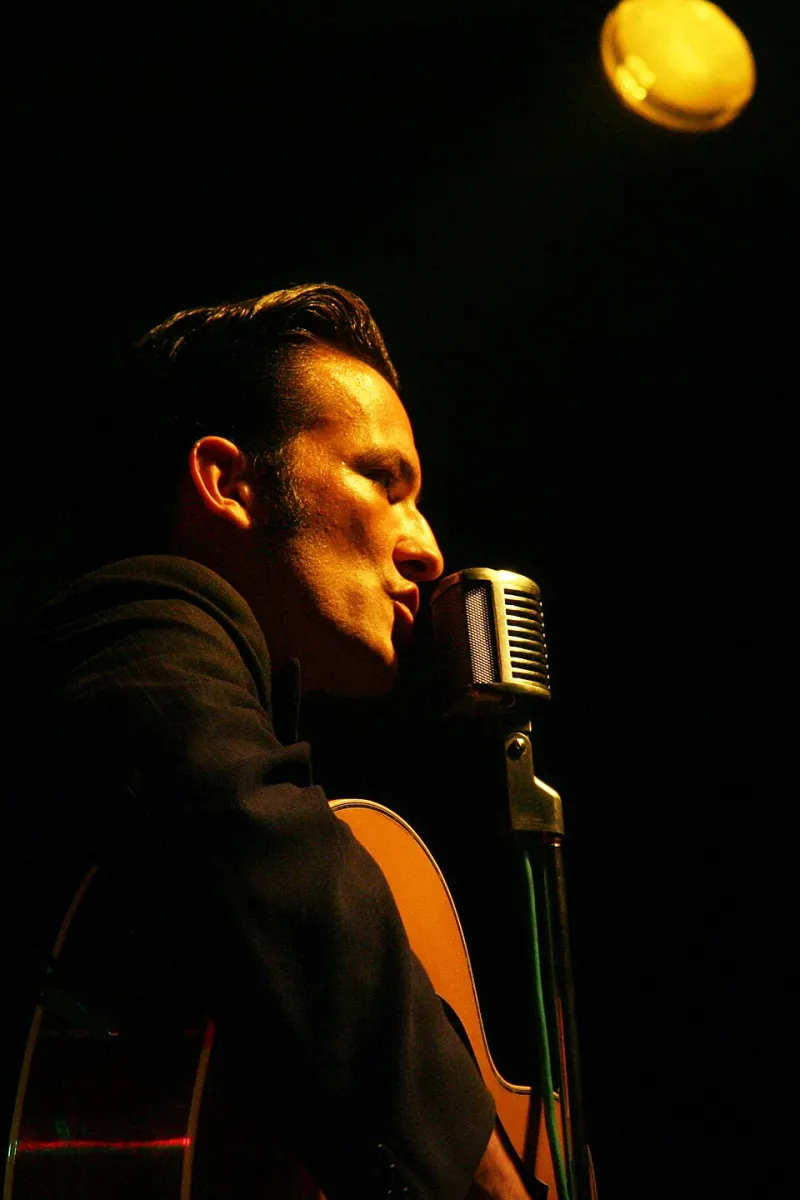
The obvious pushback: famous people have lived bigger lives. More drama, more access, better stories. And sometimes that's true. A legendary musician who has decided they no longer care what anyone thinks is one of the best guests you can get — those interviews are great precisely because the guard is off, not because the name is big.
So the issue isn't fame. It's the machine around fame. Give me a celebrity who has publicly stopped managing their image over a celebrity who is currently mid-publicity-cycle, any day.
And the other pushback: unknown guests can be dull. Sure. Some are. Some have never once thought about their life in narrative terms and freeze under a microphone. That's the risk of the whole project — but it's a far more interesting risk than the guarantee of a smooth, empty hour with someone reading from a memo.
The Bet I Think Shows Should Be Making
Here's the thing that frustrates me about podcast booking in 2026: the industry still treats a recognizable name as the safe choice. It isn't. A big name brings listeners for one episode and delivers a conversation nobody quotes afterward. An unknown guest brings nobody, and then delivers a line that ends up in a hundred group chats by the next morning.
MoniTalks was built on the idea that real people are the story — that a conversation doesn't need a press kit to matter. The guest who made you cry last month probably isn't verified anywhere. She's a hospice aide in Arizona who answered a question honestly because she didn't know she wasn't supposed to.
That's not a novelty act. That's the whole point. Fame gets you a headline. A stranger gets you the truth.