The Mic Drop Moments: Podcast Conversations That Rewired How America Sees Mental Health
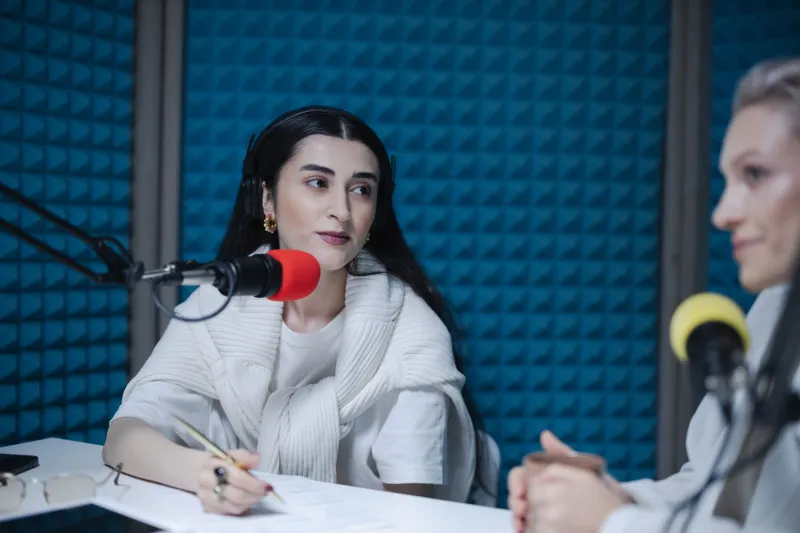
There's something that happens when the mic goes live and a guest decides to stop performing and just be honest. The whole energy shifts. You can feel it through your earbuds on a Tuesday morning commute. That's the magic Moni lives for here at MoniTalks — those unguarded moments where real talk cuts through the noise and lands somewhere deep.
Mental health has had a long, complicated relationship with American culture. For decades, the conversation was either clinical and cold or completely absent. Then podcasts showed up and changed the whole game. Suddenly, people with massive platforms were sitting in front of a microphone and saying, "I've been struggling too." And America listened.
Here are ten guests whose candid conversations didn't just rack up downloads — they genuinely moved the needle.
1. Prince Harry on The Me You Can't See (Apple TV+/Podcast Format)
When a literal prince admits he sought therapy and battled PTSD, the armor around "men don't talk about feelings" takes a serious hit. Harry's raw discussion about grief, trauma, and feeling trapped inside a role he never asked for resonated with millions of American men who'd never had language for what they were carrying. His quote — "I was willing to drink, I was willing to take drugs, I was willing to try and do the things that made me feel less like I was feeling" — hit like a freight train.
2. Simone Biles on Armchair Expert with Dax Shepard
Before she stepped back from the Tokyo Olympics, Simone Biles was already talking openly about therapy and childhood trauma. Her conversation with Dax Shepard was warm, funny, and brutally honest. She normalized therapy for young Black women at a time when that community faces enormous stigma around mental health care. The ripple effect? Measurable. Searches for "Black therapist near me" spiked significantly in the weeks following her public conversations.
3. Brené Brown on The Tim Ferriss Show
Brené Brown has made vulnerability her life's work, but her sit-down with Tim Ferriss felt different — more personal, less TED Talk. She talked about her own breakdown (what she calls a "spiritual awakening"), her resistance to asking for help, and the specific shame that comes with being a vulnerability researcher who refuses to be vulnerable. It was deliciously human. That episode helped cement the idea that even the experts struggle.
4. Taraji P. Henson on The Breakfast Club
Taraji didn't come to The Breakfast Club to talk about a movie. She came to talk about the mental health crisis gutting Black communities — and she didn't sugarcoat a single word. Her passion launched the Boris Lawrence Henson Foundation into the national spotlight and sparked a wave of conversation about why therapy access remains deeply unequal across racial lines in America. Charlamagne gave her the floor, and she used every second of it.
5. Michael Phelps on The Oprah Conversation
The most decorated Olympian in history admitting he didn't want to be alive after the 2012 Games? That's not a headline you see coming. Phelps speaking openly with Oprah about depression and suicidal thoughts dismantled the myth that achievement equals happiness. For young male athletes especially, hearing someone at the absolute top of their sport say "I was not okay" gave permission to acknowledge their own pain.
6. Lady Gaga on Oprah's 2020 Vision Tour (Podcast Release)
Gaga's conversation about chronic pain, PTSD, and fibromyalgia was a masterclass in destigmatizing invisible illness. She spoke about the connection between trauma and physical symptoms with a clarity that most medical professionals struggle to communicate. Comments sections across the internet filled with people saying "I finally have words for what I've been going through." That's impact.
7. Kevin Love on The Calm Collective
NBA star Kevin Love wrote a bombshell essay about having a panic attack mid-game, and the podcast circuit that followed only deepened the conversation. His appearances made sports fans — particularly men who'd never considered therapy — genuinely reconsider their own emotional walls. He made mental health feel like just another part of athletic training. Practical, necessary, nothing to be ashamed of.
8. Selena Gomez on Giving Back Generation
Selena has been public about her lupus and bipolar disorder diagnosis, but her podcast conversations go deeper than headlines. She talks about the specific loneliness of being sick while famous, the pressure to appear fine, and what it actually took to get stable. For her enormous young fanbase, she's modeled something rare: celebrity accountability around mental health without making it a PR move.
9. Matthew McConaughey on On Purpose with Jay Shetty
McConaughey talking about his childhood, his complicated relationship with his father, and the years he spent running from his own emotional reality was not what people expected from the alright, alright, alright guy. But that's exactly what made it land. He talked about journaling as a mental health tool and made introspection feel masculine and grounded. Downloads on that episode went through the roof.
10. Glennon Doyle on We Can Do Hard Things
Okay, Glennon basically is the podcast in this case, but her guest episodes — particularly those featuring her sister Amanda and wife Abby Wambach — have created a community around shared struggle that feels genuinely revolutionary. The show's entire premise is that hard feelings aren't problems to solve but experiences to move through. That reframe alone has helped countless listeners shift their relationship with anxiety, grief, and self-worth.
Why These Conversations Hit Different
Here's the thing about all ten of these moments: none of them happened in a therapist's office. They happened in front of a microphone, with another human being asking real questions and actually listening. That's the MoniTalks thesis right there — that genuine conversation has healing power that polished content simply can't replicate.
Americans are hungry for this. Podcast listenership in the US has grown to over 135 million monthly listeners, and mental health remains one of the top subject categories audiences seek out. That's not a coincidence. People are looking for mirrors — someone saying out loud what they've only thought in the dark.
Every guest on this list took a risk. They sat down, got honest, and trusted that the audience could handle the truth. Spoiler: we could. And we're better for it.
The mic doesn't lie. And neither did they.